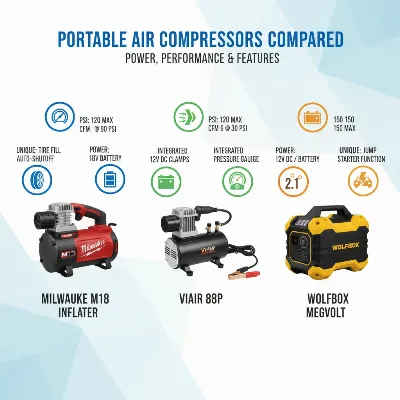
Air compressors are indispensable tools, from powering pneumatic equipment in bustling workshops to inflating tires in home garages. They convert power into potential energy stored in pressurized air, making countless tasks more efficient. However, the convenience they offer comes with a critical responsibility: understanding and mitigating potential hazards. A common question many users ponder is whether it’s safe to leave an air compressor pressurized, particularly overnight or during extended periods of inactivity. While the temptation to keep it ready for the next use is understandable, this seemingly innocuous practice can lead to significant safety risks, costly damage, and shortened equipment lifespan. This article will delve into the dangers of continuous pressurization and outline the essential practices to ensure your air compressor operates safely and reliably for years to come.
An Overview of Air Compressors and Their Risks
Air compressors function by drawing in ambient air, compressing it to a higher pressure, and storing it in a receiver tank. This compressed air can then be released to power various tools and applications. At its core, an air compressor manages immense potential energy, and any failure in its containment system can lead to dangerous situations. The very nature of storing highly pressurized air introduces inherent risks that users must acknowledge and manage, especially concerning the integrity of the storage tank and the longevity of its components.
The Dangers of Storing Pressurized Air
Leaving an air compressor pressurized, even for short durations, exposes the equipment to unnecessary stress and accelerates wear, raising significant safety concerns. This practice is widely discouraged by manufacturers and safety experts due to several critical factors.
Tank Corrosion and Rupture
|
Our Picks for the Best Air Compressor in 2026
As an Amazon Associate I earn from qualifying purchases.
|
||
| Num | Product | Action |
|---|---|---|
| 1 | Tire Inflator Portable Air Compressor, 150PSI Cordless Air Pump for Car Tires with Auto Shut-Off, Portable Tire Pump for Car, Bike, Motorcycle and Balls |

|
| 2 | CRAFTSMAN Air Compressor, 2 Gallon Portable Air Compressor 1/3HP Max 125 PSI Oil-Free Light Weight with 10 PCS Accessory Kit |
|
| 3 | Quiet Air Compressor, Only 68dB, 5 Gallon Steel Tank, 2.8CFM @ 90PSI, Oil-Free, Electric Air Compressor Perfect for Woodwork Nailing, Garage, Car, Pneumatic Tool, Includes 11 Accessories |
|
| 4 | AC Compressor for 2000-2027 Chevy Silverado/GMC Sierra/Cadillac Escalade (4.8L/5.3L/6.0L V8) | OE Replaces 15036042, 15707611, CO29002C,78363, 78362 | A/C Compressor & Kit |
|
| 5 | Airmoto Tire Inflator Portable Air Compressor - Air Pump for Car Tires with Digital Pressure Gauge, LED Light and Auto Shut-Off Function - Cordless Pump for Car, Motorcycle, Bicycle, Ball |
|
| 6 | Metabo HPT Pancake Air Compressor, 6-Gallon 165PSI, Portable Air Compressor with 1.0 HP Oil-Free High Efficiency Motor, Lihghtweight, Quick Couplers for Fast Tool Changes, EC711S |
|
| 7 | ECOMAX Air Compressor 6 Gallon 150 PSI Pancake Portable Oil-free Tank with 10 PCS Accessories Kit |
|
| 8 | DEWALT Tire Inflator Portable Air Compressor 20V MAX, Car Air Pump with Automatic Shut Off, LED Light, Tool Only (DCC020IB) |
|
| 9 | Craftsman Air Compressors 6 Gallon Portable Pancake Air Compressor,Oil Free Max 150 Psi 1.0HP 2.6 CFM@90PSI Electric Air Compressor Shop Air Compressor, CMXECXA02106410 |
|
| 10 | California Air Tools CAT-4710W 1.0 HP Quiet and Oil-Free Air Compressor with Wheels, 4.7 Gallon Steel Tank, 75 dBA Noise Level, Lightweight |
|
The most significant danger associated with leaving an air compressor pressurized is internal tank corrosion. When air is compressed, its humidity condenses into liquid water as the air cools inside the tank. This water, if not regularly drained, pools at the bottom of the steel tank. Over time, this stagnant water directly contacts the bare metal, initiating and accelerating rust formation. Internal corrosion severely weakens the tank walls, transforming it into a ticking time bomb. A weakened tank under high pressure can rupture catastrophically, releasing a massive amount of potential energy that can cause severe injury or even fatalities.
Component Wear and Tear
Constant pressure places continuous strain on all components designed to contain that pressure. Seals, gaskets, check valves, pressure switches, and hoses are all under increased stress when the tank remains pressurized. This unrelenting force accelerates their wear and tear, leading to premature leaks, decreased efficiency, and potential component failure. A failing seal, for instance, can lead to air leaks that cause the compressor motor to cycle on more frequently, wasting energy and further straining the motor.
Energy Consumption and Unintended Operation
If your air compressor has even minor leaks in its system—which can develop over time due to component wear—leaving it pressurized means the motor may intermittently cycle on to maintain the set pressure. This “phantom” operation wastes electricity, increases running costs, and adds unnecessary wear to the motor. In a workshop environment, unintended compressor cycling could also indicate a broader issue with air leaks throughout the system, leading to inefficient tool operation.
Unintended Activation and Accidents
While less common, a pressurized system always carries a risk of accidental activation. If a hose remains connected to a pressurized system, it could whip violently if disconnected improperly or if the hose itself fails. Similarly, a tool left connected might activate unexpectedly if its trigger is bumped, posing a direct injury risk. Depressurizing the system after use eliminates these potential hazards.
> “The greatest enemy of an air compressor tank isn’t heavy use, but rather the silent, insidious creep of internal rust caused by neglected condensation.” – John Peterson, Industrial Safety Engineer
Best Practices for Air Compressor Safety and Storage
Ensuring the longevity and safe operation of your air compressor hinges on consistent maintenance and adherence to best practices. These steps are crucial for mitigating the risks associated with pressurized systems.
Depressurizing After Use
The most fundamental safety practice is to fully depressurize your air compressor after each use, or at least at the end of each workday. This involves turning off the power, opening the tank drain valve to release all compressed air, and typically opening a bleed valve or removing a quick-connect fitting on the air outlet to ensure the system is completely devoid of pressure. Depressurizing not only removes stress from components but also facilitates the removal of condensed water.
Regular Maintenance and Inspection
A proactive maintenance schedule is vital. Regularly inspect your compressor for any signs of wear, damage, or leaks. Check hoses for cracks or fraying, fittings for tightness, and the tank exterior for any rust or deformation. Pay close attention to the pressure gauge and safety relief valve, ensuring they are functional and haven’t been tampered with. Any compromised component should be replaced immediately with manufacturer-approved parts.
Proper Drainage of Condensate
Draining the condensate from the air tank is arguably the most critical maintenance task. This should be done daily, or after every significant use, especially in humid environments. To drain, ensure the compressor is turned off and depressurized, then open the drain valve located at the bottom of the tank. Allow all water to escape. Some users find it helpful to replace the standard petcock drain valve with a ball valve for easier operation.
 A close-up shot of an air compressor drain valve releasing condensed water into a small bucket.
Secure Storage Environment
Store your air compressor in a clean, dry, well-ventilated area, away from extreme temperatures, flammable materials, or corrosive chemicals. While some recommend slightly cracking the drain valve open for long-term storage to prevent critter nests, it’s generally best to drain the tank completely and then close the valve, ensuring the tank is empty of both air and water. If storing for extended periods, consult your manufacturer’s guide for specific instructions, which may include oiling internal parts for rotary compressors.
Understanding Your Air Compressor’s Components (Safety Context)
To maintain an air compressor safely, it’s essential to understand the basic function of its key components, especially those related to pressure management.
- Pressure Switch: This automatically starts and stops the compressor motor to maintain pressure within a set range. A faulty switch can lead to over-pressurization.
- Safety Relief Valve: A critical safety device that automatically opens to release excess pressure if the pressure switch fails, preventing tank explosion. This valve should never be adjusted or bypassed.
- Check Valve: Prevents compressed air from flowing back into the pump once it’s in the tank.
- Drain Valve: Located at the lowest point of the tank, this valve is essential for removing condensed moisture.
- Pressure Gauge: Displays the current pressure inside the tank. Regular monitoring helps ensure the compressor operates within safe limits.
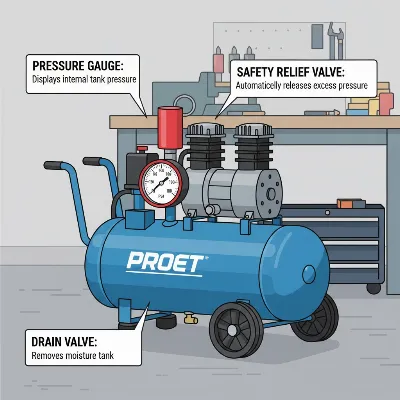 An illustrative diagram highlighting key safety components of an air compressor like the pressure gauge, safety valve, and drain valve.
When is it Acceptable (or Not) to Leave Pressurized?
The consensus among experts strongly leans against leaving an air compressor pressurized for extended periods. However, some scenarios allow for brief pressurization.
For continuous work throughout a single day, it is generally acceptable to leave the compressor pressurized between uses, as long as the work session is ongoing and the unit is being actively monitored. For instance, if you’re using it in the morning and plan to resume in the afternoon, leaving it pressurized for a few hours is usually fine.
The crucial distinction lies in “extended periods” or when the compressor will be unattended. Leaving it pressurized overnight, over a weekend, or for longer durations is highly discouraged due to the accelerated risks of corrosion, component fatigue, and potential for unseen leaks. Always default to depressurizing and draining when the work is done. Manufacturers’ guidelines are the ultimate authority for your specific model; always consult them.
Key Air Compressor Brands and Their Safety Guidelines
Reputable air compressor manufacturers universally prioritize safety in their design and operational guidelines. Brands like Ingersoll Rand, Kaeser, Atlas Copco, Quincy, and Campbell Hausfeld, among others, incorporate robust safety features such as ASME-certified tanks, high-quality pressure switches, and clearly marked safety relief valves. They also provide comprehensive user manuals detailing safe operation, maintenance schedules, and warnings against unsafe practices like prolonged pressurization. Adhering to these manufacturer-specific recommendations is paramount for safe operation and warranty validity.
Important Considerations for Air Compressor Use and Maintenance
Beyond depressurizing, a few other safety and maintenance practices can significantly extend the life and safety of your air compressor.
- PPE (Personal Protective Equipment): Always wear appropriate PPE, including safety glasses, hearing protection, and gloves, when operating or maintaining an air compressor. Compressed air can propel debris at high speeds and generate significant noise.
- Avoid Misuse of Compressed Air: Never use compressed air to clean clothing or skin, as it can cause serious injury, including fatal air embolisms.
- Regular Filter Checks: Regularly inspect and clean or replace air intake filters. A clogged filter makes the compressor work harder, reduces efficiency, and can lead to overheating.
- Oil Levels (for oiled compressors): For oil-lubricated compressors, regularly check and maintain the correct oil levels. Low oil can cause severe damage to internal components.
- Electrical Safety: Ensure your compressor is properly grounded and that electrical cords are in good condition, free from fraying or damage.
Conclusion
While the convenience of leaving an air compressor pressurized might be appealing, the associated risks far outweigh any perceived benefits. The dangers of internal tank corrosion, accelerated component wear, energy waste, and potential accidents are significant. Prioritizing safety through consistent depressurization, regular condensate drainage, and diligent maintenance is not merely a recommendation—it’s a critical aspect of responsible air compressor ownership. By adopting these best practices, you ensure the longevity of your equipment, protect yourself and your workspace, and guarantee that your air compressor remains a reliable and safe tool for all your projects. Remember, a few minutes of care after each use can prevent years of problems.
What is your routine for shutting down your air compressor after a long day?
Frequently Asked Questions
Why is draining the air compressor tank so important?
Draining the air compressor tank is crucial because compressed air contains moisture, which condenses into liquid water inside the tank. If this water is not drained, it causes internal rust and corrosion, severely weakening the tank walls over time. A corroded tank under pressure poses a high risk of catastrophic rupture, leading to dangerous accidents.
How often should I drain the water from my air compressor?
Most manufacturers and experts recommend draining the water from your air compressor tank daily or after every significant use. In humid environments or with frequent use, daily drainage is essential to prevent moisture buildup and subsequent internal rust. If used infrequently, draining after each session and leaving the valve open until the next use is a good practice.
Can a rusty air compressor tank explode?
Yes, a severely rusted air compressor tank can explode. Rust compromises the structural integrity of the metal, weakening the tank walls. When the compromised tank is subjected to high internal pressure, it can fail catastrophically, releasing the stored energy explosively. This is why regular drainage of condensation is vital to prevent internal rust.
What happens if I forget to drain my air compressor once or twice?
Forgetting to drain your air compressor once or twice is unlikely to cause immediate catastrophic failure, especially if it’s a newer unit. However, repeated neglect allows water to accumulate, accelerating the corrosion process. It’s a habit that significantly reduces the lifespan of your compressor and increases safety risks over time, so consistent drainage is key.
Does turning off the air compressor release the pressure automatically?
No, simply turning off the Air Compressor does not automatically release all the pressure from the tank. While the pump will stop compressing air, the existing pressurized air remains stored in the receiver tank. To safely release this pressure, you must manually open the tank drain valve and/or a bleed valve on the air outlet until all air has escaped.