An air compressor that runs continuously but fails to build or maintain adequate pressure often indicates a solvable problem, with common culprits including air leaks, faulty check valves, or clogged air filters. Addressing these issues promptly can restore optimal performance and prevent further damage. This guide details how to diagnose and fix common pressure-related problems in piston, rotary screw, and centrifugal air compressors.
Understanding Air Compressors and Pressure Generation
An air compressor converts power from an electric motor or engine into potential energy stored as pressurized air. It draws in ambient air, compresses it, and stores it in a receiver tank to power pneumatic tools. This process relies on a sealed system where air is compressed and prevented from escaping until needed. Any disruption, such as a leak or mechanical failure, can prevent the compressor from reaching its programmed cut-out pressure.
Air compressors come in various forms, including piston, rotary screw, and centrifugal models. Each type uses distinct principles to achieve air compression, but all aim for efficient and consistent pressure build-up. These machines are essential across many sectors, from automotive repair to manufacturing plants.
Exploring Different Air Compressor Types
Understanding your specific air compressor type is crucial for effective troubleshooting, as each design has unique pressure generation methods and common failure points.
Piston Air Compressors
Piston compressors, also known as reciprocating compressors, are common for small portable units and larger industrial models. They use pistons driven by a crankshaft to compress air within a cylinder. Air is drawn in through an intake valve on the downward stroke and compressed out through a discharge valve into the tank on the upward stroke.
Piston compressors are robust and cost-effective for intermittent use and high-pressure applications. However, they can be noisy and generate more heat. When a piston compressor fails to build pressure, common issues include damaged valve plates (reed or plate valves) that allow air to leak back, blown head gaskets creating leak paths, or loose drive belts preventing the pump from reaching necessary RPM.
Rotary Screw Air Compressors
Rotary screw compressors trap air between two meshing helical rotors. As the rotors turn, the volume decreases, compressing the air and forcing it into the receiver. These compressors are known for continuous duty cycles, quiet operation, and energy efficiency, making them ideal for constant air demand in industrial settings.
Troubleshooting pressure issues in rotary screw compressors often involves different components. Key areas to inspect include the unloader valve and its solenoid, which regulate air intake; a malfunction can keep the compressor in an “unloaded” state. The minimum pressure valve (MPV) ensures sufficient internal pressure for lubricant circulation before air discharge; if stuck open, it prevents internal pressure build-up. A saturated oil separator element can restrict airflow, leading to high internal pressure but low discharge pressure. Air end wear can also reduce compression efficiency.
Centrifugal Air Compressors
|
Our Picks for the Best Air Compressor in 2026
As an Amazon Associate I earn from qualifying purchases.
|
||
| Num | Product | Action |
|---|---|---|
| 1 | California Air Tools CAT-4710W 1.0 HP Quiet and Oil-Free Air Compressor with Wheels, 4.7 Gallon Steel Tank, 75 dBA Noise Level, Lightweight |

|
| 2 | ECOMAX Air Compressor 6 Gallon 150 PSI Pancake Portable Oil-free Tank with 10 PCS Accessories Kit |
|
| 3 | Airmoto Tire Inflator Portable Air Compressor - Air Pump for Car Tires with Digital Pressure Gauge, LED Light and Auto Shut-Off Function - Cordless Pump for Car, Motorcycle, Bicycle, Ball |
|
| 4 | Quiet Air Compressor, Only 68dB, 5 Gallon Steel Tank, 2.8CFM @ 90PSI, Oil-Free, Electric Air Compressor Perfect for Woodwork Nailing, Garage, Car, Pneumatic Tool, Includes 11 Accessories |
|
| 5 | Metabo HPT Pancake Air Compressor, 6-Gallon 165PSI, Portable Air Compressor with 1.0 HP Oil-Free High Efficiency Motor, Lihghtweight, Quick Couplers for Fast Tool Changes, EC711S |
|
| 6 | CRAFTSMAN Air Compressor, 2 Gallon Portable Air Compressor 1/3HP Max 125 PSI Oil-Free Light Weight with 10 PCS Accessory Kit |
|
| 7 | AC Compressor for 2000-2027 Chevy Silverado/GMC Sierra/Cadillac Escalade (4.8L/5.3L/6.0L V8) | OE Replaces 15036042, 15707611, CO29002C,78363, 78362 | A/C Compressor & Kit |
|
| 8 | DEWALT Tire Inflator Portable Air Compressor 20V MAX, Car Air Pump with Automatic Shut Off, LED Light, Tool Only (DCC020IB) |
|
| 9 | Craftsman Air Compressors 6 Gallon Portable Pancake Air Compressor,Oil Free Max 150 Psi 1.0HP 2.6 CFM@90PSI Electric Air Compressor Shop Air Compressor, CMXECXA02106410 |
|
| 10 | Tire Inflator Portable Air Compressor, 150PSI Cordless Air Pump for Car Tires with Auto Shut-Off, Portable Tire Pump for Car, Bike, Motorcycle and Balls |
|
Centrifugal compressors accelerate air to high speeds using a rotating impeller, then slow it down to convert velocity into pressure. They are typically large, oil-free, and designed for very high volume, continuous air demand in heavy industrial applications.
While less common for typical “won’t build pressure” symptoms seen in smaller units, centrifugal compressors can still experience pressure issues. These are often related to system demand exceeding capacity, surge (unstable flow), control system malfunctions, or impeller damage. Diagnosing these complex issues usually requires specialized expertise and advanced diagnostic tools.
Comparison of Air Compressor Types: Reliability in Pressure Maintenance
Understanding how each compressor type performs in terms of durability and pressure maintenance is crucial for selection and troubleshooting.
| Feature / Type | Piston Air Compressor | Rotary Screw Air Compressor | Centrifugal Air Compressor |
|---|---|---|---|
| Pressure Build-Up | Intermittent, typically slower | Continuous, steady, rapid | Continuous, very rapid, high volume |
| Common Pressure Issues | Valve leaks, gasket failure, belt slippage, piston wear | Unloader valve, MPV, separator issues, air end wear | Surge, control issues, system demand mismatch, impeller damage |
| Durability | Good for intermittent use, requires regular maintenance | Excellent for continuous use, robust | Excellent for heavy-duty, continuous industrial use |
| Noise Level | High | Low to moderate | Moderate to high (often in isolated rooms) |
| Efficiency | Good for start/stop applications | High, especially for continuous demand | Very high for large, constant loads |
| Maintenance Impact | Regular valve/seal checks crucial for pressure | Valve and filter maintenance vital for pressure | System-level checks, professional tuning |
| Cost | Lowest initial cost | Moderate to high initial cost | Highest initial cost, specialized maintenance |
Choosing the right air compressor balances initial cost, operating expense, and application demands. For consistent pressure delivery, a rotary screw compressor is more reliable for continuous, high-demand operations. Piston compressors are cost-effective for lighter, intermittent tasks, but their pressure-building reliability depends on diligent mechanical component maintenance. Centrifugal units are for specialized industrial needs requiring immense, stable airflow.
Air Compressor Buying Guide: Preventing Pressure Problems from the Start
Selecting the right air compressor is an investment that impacts operational efficiency and minimizes future pressure-related issues. Informed decisions upfront ensure your compressor consistently builds and holds pressure effectively.
Determining Your Usage Needs
Before purchasing, rigorously assess your air demands, including required power, pressure, and airflow (CFM or LPM) for your tools. An undersized compressor will struggle to build and maintain pressure, leading to premature wear. Match the compressor’s output capacity (CFM at a specific PSI) to the cumulative air requirement of your most demanding tools. Consider intermittent (piston) or continuous (rotary screw) needs. Slightly oversizing provides a buffer for consistent pressure during peak demand.
Budget Considerations
Air compressor prices vary widely by type, capacity, features, and brand. Small portable piston compressors are inexpensive, while industrial rotary screw or centrifugal systems are substantial investments. Beyond initial cost, consider long-term operational costs like energy consumption, maintenance, and repairs. Investing in a higher-quality unit often means better durability, higher efficiency, and greater reliability in pressure maintenance, saving money long-term.
Brands and Suppliers
Brand reputation and supplier reliability are critical. Established brands offer quality, robust engineering, and readily available spare parts, vital for troubleshooting. Look for manufacturers known for durable pumps, efficient motors, and well-designed control systems. Choose a supplier with excellent after-sales support, including warranty, maintenance, and technical assistance, to guide you and provide expert help if pressure issues arise.
Leading Air Compressor Brands: Reputation for Performance
Certain air compressor brands consistently earn a reputation for quality, innovation, and reliable performance, incorporating advanced engineering for consistent pressure build-up and durability.
- Atlas Copco: A global leader, known for industrial-grade rotary screw and centrifugal compressors. Their products offer energy efficiency, advanced control systems (like Elektronikon), and exceptional build quality for demanding continuous operations.
- Ingersoll Rand: Offers a comprehensive lineup of piston, rotary screw, and centrifugal compressors. Celebrated for robust construction, reliability, and innovative designs for maximum uptime and efficient pressure delivery.
- Sullair: Specializes in rotary screw technology, known for ruggedness and performance in harsh environments. Their focus on durable air ends and effective lubrication systems contributes to consistent pressure output and longevity.
- Quincy Compressor: Recognized for manufacturing durable and efficient piston and rotary screw compressors. Favored for heavy-duty performance and consistent pressure under challenging conditions.
- Campbell Hausfeld / DeWalt / Makita (for smaller units): For home users and small workshops, these brands offer reliable piston compressors that provide consistent pressure for their intended use when properly maintained.
These brands excel due to their commitment to quality components, rigorous testing, and continuous design improvement, resulting in machines that effectively build and maintain pressure. Choosing a reputable brand often mitigates the risk of common operational issues, including those related to pressure generation.
Troubleshooting and Maintaining Your Air Compressor for Optimal Pressure
When your air compressor runs but fails to build pressure, it requires immediate attention. This section guides you through diagnosing and resolving common pressure-related issues, along with essential maintenance tips.
Immediate Checks and Safety Precautions
Always prioritize safety before any diagnostics or repairs.
- Power Down: Disconnect the compressor from its power source immediately.
- Depressurize: Open all drain valves and tool connections to release residual air pressure.
- Visual Inspection: Perform a quick visual check for obvious damage, loose connections, or leaks.
- Listen Carefully: With the compressor briefly running (only if safe for a very short duration), listen for hissing sounds indicating leaks.
“A methodical diagnostic approach, starting with the simplest checks, can save significant time and prevent unnecessary costly repairs.” – Johnathan Davis, Certified Pneumatic Systems Engineer
Common Reasons for Low or No Pressure Build-Up and Their Fixes
Many issues can prevent an air compressor from building pressure. Here’s how to identify and address the most frequent culprits:
Air Leaks
- Problem: Even small leaks prevent a compressor from reaching cut-out pressure as air escapes faster than it’s compressed. Common leak points include hoses, fittings, tank welds, pressure switch connections, and drain valves.
- Detection: With the system pressurized (and power off for close inspection), spray soapy water onto all connections, hoses, and valves. Bubbles will form where air escapes.
- Fix: Tighten loose connections. Replace persistently leaking hoses or fittings. Ensure all drain valves are fully closed and functional. Damaged tank welds or major component leaks may require professional welding or replacement.
Faulty Check Valve
- Problem: The check valve, located between the pump and air tank, prevents compressed air from flowing back into the pump. If it fails, air continuously leaks back, preventing pressure build-up. You might hear a constant hiss from the unloader valve or air intake when the compressor is off.
- Detection: With the tank pressurized, shut off the compressor. If air hisses or leaks back through the unloader valve or intake filter, the check valve is likely faulty.
- Fix: Replace the faulty check valve by unscrewing it from the tank and pump outlet.
Unloader Valve Malfunctions
- Problem: The unloader valve relieves pressure on the pump during startup. If stuck open, or its solenoid fails (in rotary screw compressors), the compressor runs continuously without building pressure as air is constantly vented. In piston compressors, a defective unloader valve may manifest as a continuous leak or the absence of the characteristic “blow down” sound.
- Detection: Listen for a continuous hiss from the intake filter or unloader mechanism when the compressor is running. For rotary screw units, check the solenoid valve logic.
- Fix: Inspect the unloader valve for obstructions or damage. Clean or replace if stuck. For solenoid-operated valves, test and replace the solenoid coil if necessary.
Clogged Air Filters
- Problem: A dirty intake air filter restricts air entering the compressor pump, reducing compression efficiency. In rotary screw compressors, clogged oil filters or separator elements can also restrict airflow and reduce pressure.
- Detection: Visually inspect the intake filter for dirt and debris. For internal filters, a significant pressure drop might be the only indicator.
- Fix: Clean or replace the intake air filter regularly per manufacturer guidelines. For rotary screw compressors, replace oil and separator elements on schedule.
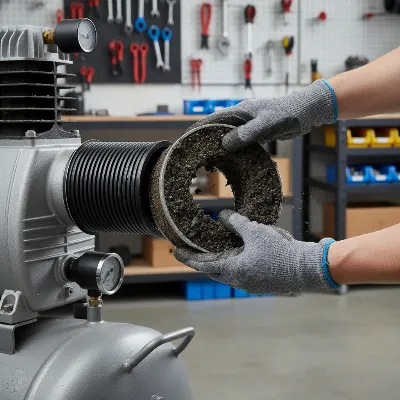 Worker replacing a dirty air compressor intake filter to improve efficiency and pressure build-up.
Worn Pump Components
- Problem: In piston compressors, worn piston rings allow air to escape past the cylinder, reducing volumetric efficiency. Damaged or carbonized reed/plate valves also impede compression. In rotary screw compressors, prolonged use can lead to air end wear, reducing rotor efficiency.
- Detection: The compressor runs for extended periods without reaching pressure, or builds pressure very slowly. You might notice excessive oil consumption or oil in the discharge air. This usually requires internal inspection.
- Fix: Worn piston rings or damaged valves require replacement, often involving a pump rebuild. Air end wear in rotary screw compressors typically necessitates professional overhaul or replacement.
Pressure Switch Issues
- Problem: The pressure switch controls compressor start/stop based on tank pressure. If faulty or improperly adjusted, it may not signal the motor to start when pressure drops or stop when pressure is reached, leading to continuous running without cut-off, or failure to start and build pressure.
- Detection: Observe the compressor’s cycling. If it doesn’t shut off at its programmed cut-out pressure or fails to start reliably when pressure drops below the cut-in threshold, the pressure switch may be at fault.
- Fix: First, check and adjust pressure switch settings per manufacturer recommendations. If adjustment fails, the pressure switch might need replacement.
Drive Belt Slippage
- Problem: Applicable to belt-driven piston compressors. A loose, worn, or glazed drive belt can slip on pulleys, preventing the pump from reaching optimal RPM. The motor runs, but the pump doesn’t effectively compress air, leading to low or no pressure build-up.
- Detection: Visually inspect the belt for cracks, wear, or looseness. You might hear a squealing sound when the compressor attempts to build pressure.
- Fix: Tighten the drive belt if loose. Replace worn or damaged belts. Ensure proper belt tension to prevent future slippage.
Minimum Pressure Valve (MPV) Issues (Rotary Screw)
- Problem: Located at the discharge of the oil separator vessel, the MPV ensures sufficient internal pressure for lubricant circulation before compressed air is released. If stuck open, the compressor struggles to build internal pressure. If stuck closed, internal pressure can spike, but discharge pressure remains zero.
- Detection: Requires internal system diagnostics, often indicated by specific error codes or differential pressure readings across the separator.
- Fix: The MPV needs inspection, cleaning, or replacement by a qualified technician.
Demand Exceeds Capacity
- Problem: The compressor isn’t faulty, but air demand from tools or the system consistently exceeds its maximum output capacity. The compressor runs constantly but cannot fully pressurize the tank.
- Detection: Monitor air tools’ CFM requirements and compare them to your compressor’s output. If the compressor rarely reaches cut-out pressure during regular operation, demand might be too high.
- Fix: Reduce air demand, use more efficient tools, or upgrade to a larger compressor with higher CFM output. Adding an auxiliary tank can also help manage peak demands.
Regular Maintenance to Prevent Pressure Loss
Preventative maintenance is crucial for preventing pressure-related issues and extending your air compressor’s lifespan.
- Scheduled Filter Changes: Regularly inspect, clean, and replace intake air filters. For rotary screw units, adhere to schedules for oil and separator element replacements.
- Routine Leak Checks: Check for air leaks every few months, especially around fittings, hoses, and valves, using the soapy water method.
- Condensate Drainage: Drain condensate from the air tank daily or weekly, depending on humidity and usage. Accumulated water reduces tank volume and can lead to rust and leaks.
- Monitor Oil Levels: Ensure proper oil levels for lubricated compressors. Low oil can affect hydraulic unloaders and increase pump wear.
- Belt Inspection: Regularly check drive belts (on piston compressors) for tension, wear, and cracks.
- Professional Servicing: Schedule periodic professional servicing, especially for industrial or complex units. Certified technicians perform thorough inspections, calibrate controls, and identify potential issues before they lead to significant pressure problems.
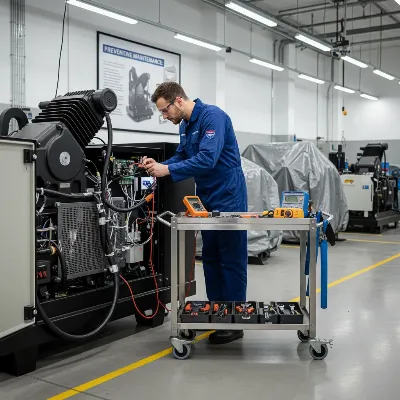 Technician performing routine maintenance on an air compressor, checking components to prevent pressure issues.
Conclusion
An air compressor that refuses to build pressure is a challenge, but often solvable with the right knowledge. Understanding air compression principles and common failure points for different compressor types allows for systematic diagnosis. From simple air leaks and clogged filters to complex valve malfunctions or internal pump wear, each problem has distinct symptoms and solutions.
Regular preventative maintenance is imperative for compressor longevity and consistent pressure delivery. Committing to routine checks, filter replacements, and prompt issue resolution dramatically reduces the likelihood of pressure failure. For persistent or complex problems, consult a qualified professional. They have the expertise and specialized tools for in-depth diagnostics and repairs, restoring your system to optimal performance.
Frequently Asked Questions
Why does my air compressor take so long to build pressure?
An air compressor taking a long time to build pressure typically indicates underlying issues such as minor air leaks, a partially clogged intake filter, or internal pump wear like worn piston rings. Addressing these common problems can significantly improve the compressor's pressure-building speed and efficiency.
Can a bad check valve cause an air compressor to have low pressure?
Yes, a faulty check valve is a frequent cause of an air compressor failing to build or hold pressure. If this one-way valve allows compressed air to leak back from the tank into the pump, the compressor will struggle to maintain its set pressure or may never reach its cut-out setting.
How often should I check my air compressor for air leaks?
It is advisable to perform a basic check for air leaks every few months, or more frequently if your compressor is used heavily or in a high-vibration environment. A quick soapy water test can efficiently identify leaks in hoses, fittings, and valves, preventing significant pressure loss over time and improving efficiency.
What are the signs of worn piston rings in an air compressor?
Signs of worn piston rings in a piston air compressor include the compressor running for unusually long periods to build pressure, excessive oil consumption, oil appearing in the discharge air, or a noticeable drop in the compressor's overall air output (CFM). These symptoms indicate reduced compression efficiency.
What is the unloader valve and why is it important for pressure build-up?
The unloader valve releases pressure from the compressor pump head when the motor is off or cycling, allowing the motor to restart without working against a high load. If this valve is stuck open or malfunctions, air will continuously escape, preventing the compressor from building and retaining pressure in the tank.
Should I attempt to fix internal air compressor pump issues myself?
For internal pump issues like worn piston rings or damaged valves, it is generally recommended to seek professional assistance. These repairs often require specialized tools, precise knowledge of component clearances, and experience to ensure safe and effective operation, preserving the compressor's longevity and warranty.
Fix an Air Compressor That Won't Build Pressure
This guide provides steps to diagnose and resolve common issues preventing an air compressor from building pressure, from simple leaks to worn components.
Always disconnect the compressor from its power source and depressurize the system by opening all drain valves. Conduct a visual inspection for obvious damage or loose connections, and listen for hissing sounds indicating leaks when briefly powered on for diagnosis.
With the system pressurized (and power off for close inspection), spray a soapy water solution onto all connections, hoses, and valves. Bubbles will indicate air leaks. Tighten loose connections or replace faulty hoses and fittings as needed.
If air hisses back through the unloader valve or intake when the compressor is off, the check valve is likely faulty and needs replacement. For unloader valve malfunctions, listen for continuous hissing when running; inspect for obstructions or test the solenoid.
Visually inspect the intake air filter for dirt and debris, cleaning or replacing it as necessary. If the compressor runs for extended periods without reaching pressure, or shows signs of oil in discharge air, worn piston rings or air end wear may require professional repair or replacement.
Observe the compressor's cycling; if it doesn't shut off or start reliably, adjust or replace the pressure switch. For belt-driven units, check the drive belt for looseness, wear, or cracks, and tighten or replace it to ensure proper pump RPM.

My rotary screw compressor started acting up, and I was worried it was something major. Turns out, it was just a clogged air filter, exactly as mentioned. Easy fix, and it saved me a service call. Good practical advice here.
Fantastic guide! My centrifugal compressor wasn’t building pressure past a certain point, and I suspected a seal issue. The explanation of how different compressor types generate pressure really helped me understand the problem better. Fixed it myself with confidence.
The info on air leaks was helpful, but I wish there was a bit more detail on how to pinpoint really tiny ones in the receiver tank. I tried the soapy water trick, but still having trouble finding the exact spot. My compressor is building pressure slowly, so I know there’s a small leak somewhere.
I was pulling my hair out trying to figure out why my old piston compressor wasn’t holding pressure. The tip about checking the check valve was a lifesaver! Replaced it and now it’s running like new. So glad I found this before I shelled out for a new unit.