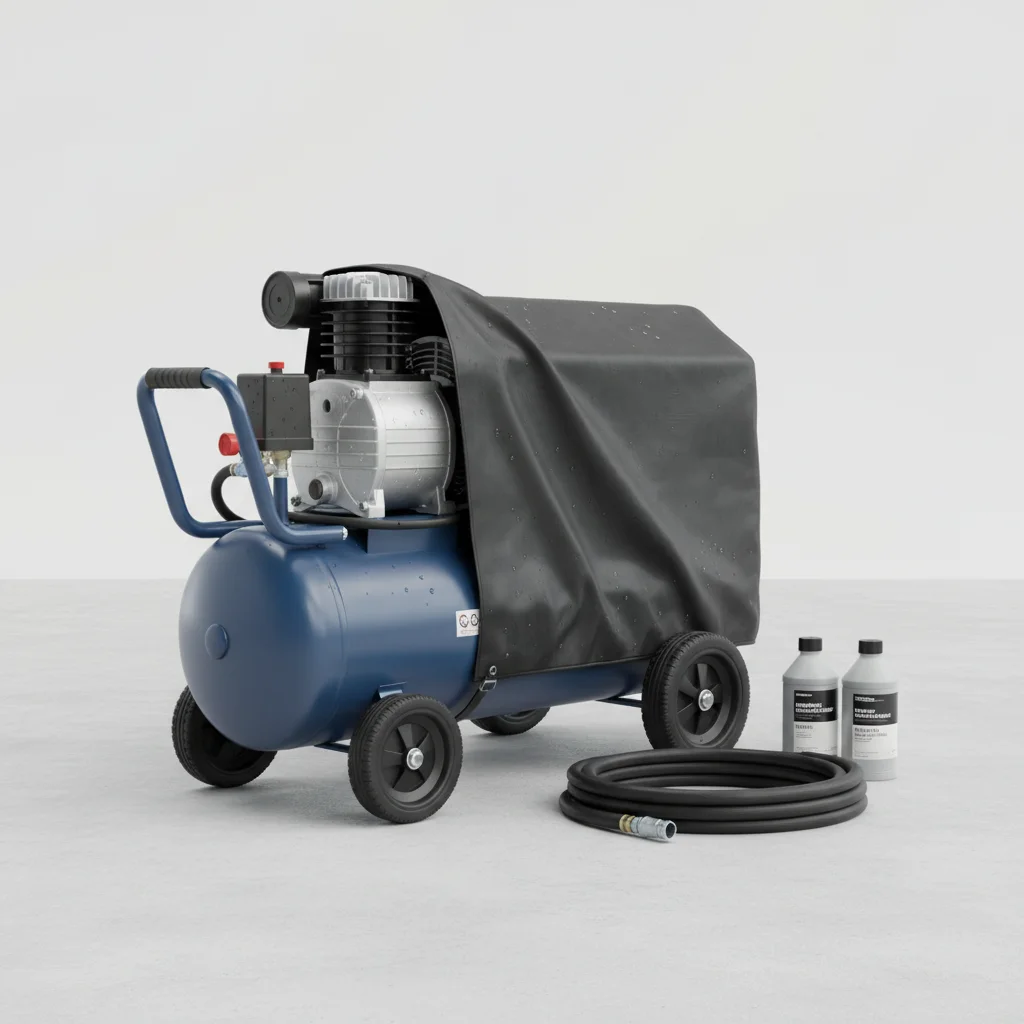
Storing an air compressor outdoors can be safe under specific conditions, primarily if the unit is designed for outdoor use or adequately protected from the elements. The main risks involve moisture, extreme temperatures, and theft. For optimal longevity and safety, it’s generally recommended to store air compressors indoors in a climate-controlled environment, but with proper precautions, outdoor storage is a viable option for many.
Understanding the Risks of Outdoor Storage
When considering outdoor storage for your air compressor, several factors can significantly impact its performance and lifespan. Moisture, in particular, is a major concern. Rain, snow, and even high humidity can lead to rust and corrosion on metal components, including the tank, motor, and fittings. This can compromise the structural integrity of the tank and lead to air leaks or even catastrophic failure over time. Electrical components are also highly susceptible to water damage, which can create safety hazards and render the compressor inoperable.
Extreme temperatures, both hot and cold, also pose threats. Freezing temperatures can cause any residual water in the tank or lines to expand, potentially cracking components. Conversely, prolonged exposure to intense heat can degrade seals, hoses, and lubricants, leading to premature wear and reduced efficiency. UV radiation from direct sunlight can also break down plastic parts and paint finishes.
Essential Protection for Outdoor Air Compressor Storage
To safely store an air compressor outdoors, robust protection is paramount. A heavy-duty, waterproof cover specifically designed for outdoor equipment is essential. This cover should be UV-resistant and able to withstand strong winds. Elevating the compressor off the ground, perhaps on a pallet or concrete blocks, will prevent direct contact with ground moisture and improve air circulation, reducing the risk of rust from below. Consider a location that offers natural shelter, such as under an overhang or in a shed, even if it’s not fully enclosed.
For units that will be exposed to freezing temperatures, it’s crucial to completely drain the air tank and any water traps before storage. Running a non-toxic antifreeze through the pump (if applicable and recommended by the manufacturer) can also provide an extra layer of protection. Regularly inspect the compressor for any signs of rust or damage, especially after periods of harsh weather.
Best Practices for Long-Term Outdoor Storage
|
Our Picks for the Best Air Compressor in 2026
As an Amazon Associate I earn from qualifying purchases.
|
||
| Num | Product | Action |
|---|---|---|
| 1 | DEWALT Tire Inflator Portable Air Compressor 20V MAX, Car Air Pump with Automatic Shut Off, LED Light, Tool Only (DCC020IB) |

|
| 2 | CRAFTSMAN Air Compressor, 2 Gallon Portable Air Compressor 1/3HP Max 125 PSI Oil-Free Light Weight with 10 PCS Accessory Kit |
|
| 3 | AC Compressor for 2000-2027 Chevy Silverado/GMC Sierra/Cadillac Escalade (4.8L/5.3L/6.0L V8) | OE Replaces 15036042, 15707611, CO29002C,78363, 78362 | A/C Compressor & Kit |
|
| 4 | Metabo HPT Pancake Air Compressor, 6-Gallon 165PSI, Portable Air Compressor with 1.0 HP Oil-Free High Efficiency Motor, Lihghtweight, Quick Couplers for Fast Tool Changes, EC711S |
|
| 5 | California Air Tools CAT-4710W 1.0 HP Quiet and Oil-Free Air Compressor with Wheels, 4.7 Gallon Steel Tank, 75 dBA Noise Level, Lightweight |
|
| 6 | Craftsman Air Compressors 6 Gallon Portable Pancake Air Compressor,Oil Free Max 150 Psi 1.0HP 2.6 CFM@90PSI Electric Air Compressor Shop Air Compressor, CMXECXA02106410 |
|
| 7 | Tire Inflator Portable Air Compressor, 150PSI Cordless Air Pump for Car Tires with Auto Shut-Off, Portable Tire Pump for Car, Bike, Motorcycle and Balls |
|
| 8 | Airmoto Tire Inflator Portable Air Compressor - Air Pump for Car Tires with Digital Pressure Gauge, LED Light and Auto Shut-Off Function - Cordless Pump for Car, Motorcycle, Bicycle, Ball |
|
| 9 | Quiet Air Compressor, Only 68dB, 5 Gallon Steel Tank, 2.8CFM @ 90PSI, Oil-Free, Electric Air Compressor Perfect for Woodwork Nailing, Garage, Car, Pneumatic Tool, Includes 11 Accessories |
|
| 10 | ECOMAX Air Compressor 6 Gallon 150 PSI Pancake Portable Oil-free Tank with 10 PCS Accessories Kit |
|
If your air compressor will be stored outdoors for an extended period, a few additional steps can ensure its readiness when you need it next. First, ensure the tank is completely depressurized. This reduces stress on the tank and seals. Second, if it’s an oil-lubricated compressor, check the oil level and consider changing it before storage, especially if it’s due. This prevents old, contaminated oil from sitting in the system. Third, disconnect the power supply to prevent accidental startup or electrical issues.
- Completely drain the air tank and water traps.
- Apply a rust-inhibiting spray to exposed metal parts.
- Cover with a durable, waterproof, and UV-resistant cover.
- Elevate the compressor off the ground to prevent moisture contact.
- Store in a secure location to deter theft.
Choosing the Right Location and Security
The location you choose for outdoor storage is almost as important as the protection you provide. Opt for a spot that is relatively level and well-drained to prevent water from pooling around the unit. Avoid areas directly exposed to prevailing winds or heavy foot traffic. Security is another critical consideration. Air compressors, especially larger models, can be valuable targets for theft. Securing the unit with a heavy-duty chain and padlock to an immovable object, or storing it within a locked, weather-resistant shed, can significantly reduce the risk.
Maintenance After Outdoor Storage
After a period of outdoor storage, it’s vital to perform a thorough inspection and some basic maintenance before putting your air compressor back into service. Check all hoses, fittings, and electrical connections for any signs of wear, cracking, or corrosion. Inspect the air filter and replace it if it appears dirty or damaged. If it’s an oil-lubricated model, check the oil level and condition, topping it off or changing it as needed. Slowly pressurize the tank and listen carefully for any air leaks. Running the compressor for a few minutes without tools attached can help circulate oil and ensure everything is functioning correctly.

Spot on with the advice about extreme temperatures. I learned the hard way with a cheap unit that didn’t like freezing temps. Now I know to either bring it in during winter or at least make sure it’s in a well-insulated shed. This info confirms my suspicions about why my last one failed so quickly.
My biggest concern was always theft, and it’s good to see that addressed. I have a smaller portable unit I use for car tires and inflatables, and leaving it out always made me nervous. Knowing the general recommendation is indoor storage but with proper precautions for outdoor gives me peace of mind. I’ll be looking into better security measures now.
I appreciate the breakdown of risks, especially about rust and corrosion. I’ve had issues with my old compressor getting pretty beat up after a few winters outside. While it’s helpful, I was hoping for a bit more detail on specific types of outdoor enclosures or brands that hold up best. Still, a solid overview of the main problems.
I’ve always wondered about storing my air compressor outside, especially with limited garage space. This really helped clarify the ‘specific conditions’ needed. I’m going to invest in a good, heavy-duty cover to protect it from moisture and hopefully keep it safe from the elements. Good to know it’s possible without completely ruining the unit.