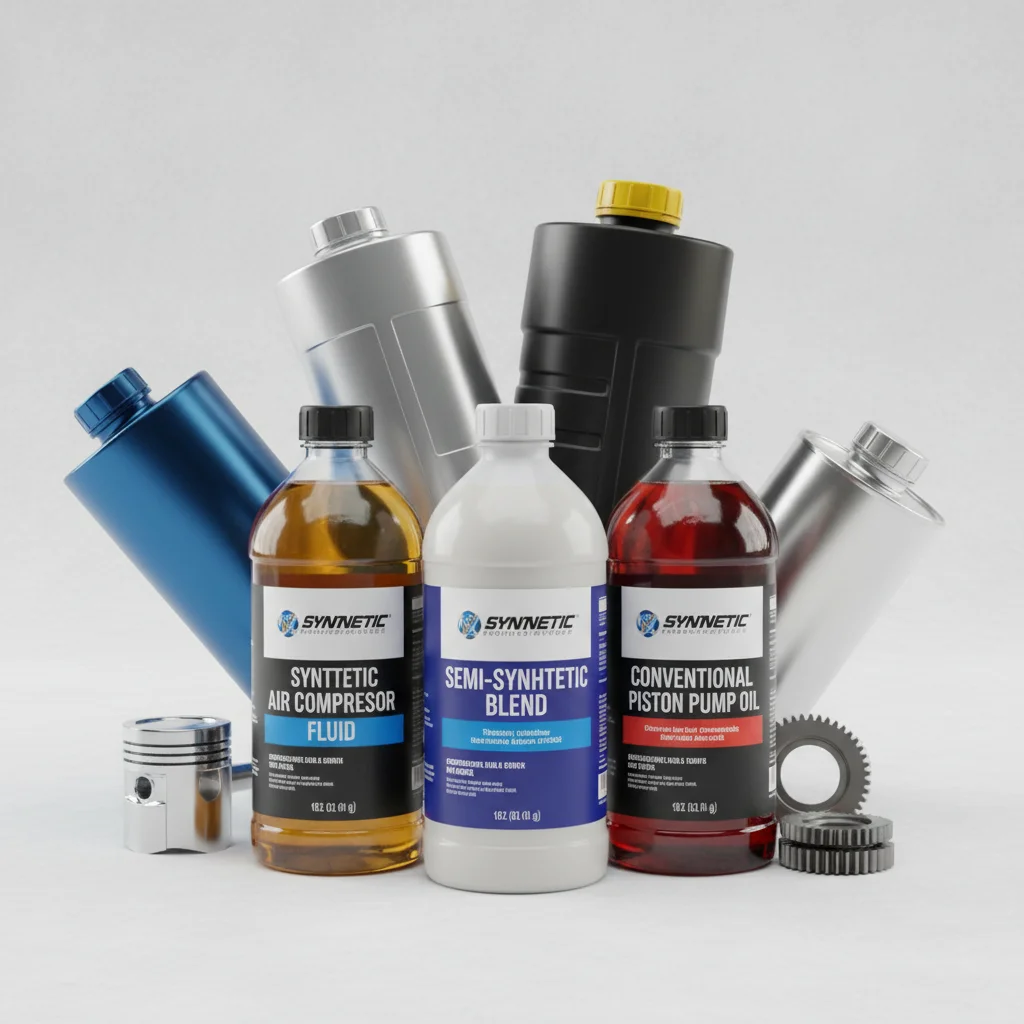
Choosing the correct air compressor oil type is crucial for the longevity and efficient operation of your machine. There are primarily three main types of oil used in air compressors: conventional mineral oil, synthetic oil, and semi-synthetic oil. Each type offers distinct advantages and is suited for different compressor designs and operating conditions. Using the wrong oil can lead to premature wear, reduced performance, and costly repairs, making an informed decision essential for any compressor owner.
Understanding Conventional Mineral Air Compressor Oil
Conventional mineral oil, often referred to as petroleum-based oil, is the most traditional and generally the most affordable option for many air compressors. It is derived from crude oil and refined for use in various industrial applications, including air compressors. Mineral oils are suitable for many piston-driven compressors, especially those operating under standard conditions and not subjected to extreme temperatures or continuous heavy loads. They provide adequate lubrication and protection against wear for many home and light-commercial units.
However, mineral oils can break down more quickly under high heat, leading to sludge formation and carbon deposits. This necessitates more frequent oil changes compared to synthetic alternatives. For compressors that run intermittently or for shorter durations, mineral oil can be a perfectly acceptable and cost-effective choice, provided the manufacturer’s specifications are strictly followed.
The Benefits of Synthetic Air Compressor Oil
Synthetic air compressor oil is engineered in a laboratory to provide superior performance characteristics compared to mineral oil. These oils are designed to withstand higher temperatures, resist oxidation, and maintain their viscosity over a wider range of operating conditions. This makes them ideal for compressors that run continuously, operate in extreme environments, or are critical for industrial applications where downtime is costly.
Key advantages of synthetic oils include extended drain intervals, reduced wear on internal components, improved energy efficiency due to lower friction, and better protection against rust and corrosion. While synthetic oil typically has a higher upfront cost, its benefits often lead to long-term savings through reduced maintenance, fewer repairs, and potentially lower energy consumption. Many rotary screw compressors and high-performance piston compressors specifically recommend or require synthetic lubricants.
- Extended oil change intervals, reducing maintenance frequency.
- Superior thermal stability, preventing breakdown at high temperatures.
- Reduced carbon and sludge buildup, keeping internal components cleaner.
- Improved wear protection for critical moving parts.
- Better cold-start performance and overall energy efficiency.
Exploring Semi-Synthetic Air Compressor Oil
|
Our Picks for the Best Air Compressor in 2026
As an Amazon Associate I earn from qualifying purchases.
|
||
| Num | Product | Action |
|---|---|---|
| 1 | Airmoto Tire Inflator Portable Air Compressor - Air Pump for Car Tires with Digital Pressure Gauge, LED Light and Auto Shut-Off Function - Cordless Pump for Car, Motorcycle, Bicycle, Ball |

|
| 2 | Craftsman Air Compressors 6 Gallon Portable Pancake Air Compressor,Oil Free Max 150 Psi 1.0HP 2.6 CFM@90PSI Electric Air Compressor Shop Air Compressor, CMXECXA02106410 |
|
| 3 | Quiet Air Compressor, Only 68dB, 5 Gallon Steel Tank, 2.8CFM @ 90PSI, Oil-Free, Electric Air Compressor Perfect for Woodwork Nailing, Garage, Car, Pneumatic Tool, Includes 11 Accessories |
|
| 4 | Tire Inflator Portable Air Compressor, 150PSI Cordless Air Pump for Car Tires with Auto Shut-Off, Portable Tire Pump for Car, Bike, Motorcycle and Balls |
|
| 5 | ECOMAX Air Compressor 6 Gallon 150 PSI Pancake Portable Oil-free Tank with 10 PCS Accessories Kit |
|
| 6 | AC Compressor for 2000-2027 Chevy Silverado/GMC Sierra/Cadillac Escalade (4.8L/5.3L/6.0L V8) | OE Replaces 15036042, 15707611, CO29002C,78363, 78362 | A/C Compressor & Kit |
|
| 7 | California Air Tools CAT-4710W 1.0 HP Quiet and Oil-Free Air Compressor with Wheels, 4.7 Gallon Steel Tank, 75 dBA Noise Level, Lightweight |
|
| 8 | Metabo HPT Pancake Air Compressor, 6-Gallon 165PSI, Portable Air Compressor with 1.0 HP Oil-Free High Efficiency Motor, Lihghtweight, Quick Couplers for Fast Tool Changes, EC711S |
|
| 9 | CRAFTSMAN Air Compressor, 2 Gallon Portable Air Compressor 1/3HP Max 125 PSI Oil-Free Light Weight with 10 PCS Accessory Kit |
|
| 10 | DEWALT Tire Inflator Portable Air Compressor 20V MAX, Car Air Pump with Automatic Shut Off, LED Light, Tool Only (DCC020IB) |
|
Semi-synthetic air compressor oil, also known as a synthetic blend, offers a middle ground between conventional mineral oil and full synthetic oil. It combines a blend of mineral and synthetic base stocks, aiming to provide some of the enhanced performance benefits of synthetics at a more moderate price point. This type of oil can be a good compromise for users who want better protection and longevity than mineral oil provides but are not ready to commit to the higher cost of a full synthetic.
Semi-synthetic oils typically offer improved resistance to thermal breakdown and oxidation compared to pure mineral oils, leading to slightly longer drain intervals and better protection under moderate stress. They are often suitable for a range of piston compressors and some light-duty rotary compressors where operating conditions are not extremely severe. Always check your compressor’s manual to ensure a semi-synthetic blend is appropriate for your specific model and application.
Factors to Consider When Choosing Compressor Oil
When selecting the right oil for your air compressor, several factors must be taken into account. First and foremost, always consult your compressor’s owner’s manual. Manufacturers specify the exact type and viscosity of oil required for optimal performance and to maintain warranty validity. Deviating from these recommendations can lead to serious damage.
Consider your operating environment: if your compressor runs in a hot climate or for extended periods, a synthetic oil will offer better protection. The type of compressor (piston, rotary screw, vane) also dictates oil requirements, as each design has different lubrication needs. Finally, think about your budget and maintenance schedule. While mineral oil is cheaper per gallon, synthetic oil’s longer lifespan might make it more economical in the long run. For a wide selection of compressor oils, check out.
The Importance of Viscosity and Additives
Beyond the base oil type, viscosity is a critical specification. Viscosity refers to the oil’s resistance to flow and is typically indicated by an SAE (Society of Automotive Engineers) number, such as SAE 30 or a multi-grade like 5W-30. The correct viscosity ensures proper lubrication across the compressor’s operating temperature range. Too thin, and it won’t protect; too thick, and it can hinder performance and increase energy consumption.
Air compressor oils also contain various additives designed to enhance their performance. These can include anti-wear agents, rust and corrosion inhibitors, anti-foaming agents, and oxidation inhibitors. These additives play a vital role in protecting internal components, extending oil life, and ensuring the compressor runs smoothly and efficiently. Using automotive engine oil in an air compressor is generally not recommended, as engine oils contain detergents that can cause foaming and damage in a compressor system. For specialized compressor lubricants, explore options at.

I’ve always just grabbed whatever oil was cheapest, but after reading up on the different types, I switched my piston-driven compressor to a good conventional mineral oil. The difference in how smoothly it runs is noticeable. Definitely worth taking the time to understand what your machine needs.
Great breakdown of the oil types. I’ve been using synthetic oil in my rotary screw compressor for years, and it’s definitely helped with extending maintenance intervals and keeping things cool during heavy use. It’s a bit pricier upfront, but the benefits for high-demand applications are clear.
I tried a semi-synthetic oil for my older compressor, hoping to get some of the benefits without the full cost of synthetic. While it performed okay, I didn’t see a huge improvement in efficiency or noise reduction compared to the mineral oil I was using before. Maybe it’s just my specific machine, but I was expecting a bit more.
Finally, a clear explanation of why using the wrong oil can lead to premature wear. I had a buddy whose compressor seized up because he just used motor oil. This really highlights the importance of choosing the correct air compressor oil type for longevity. Wish I’d known all this sooner!