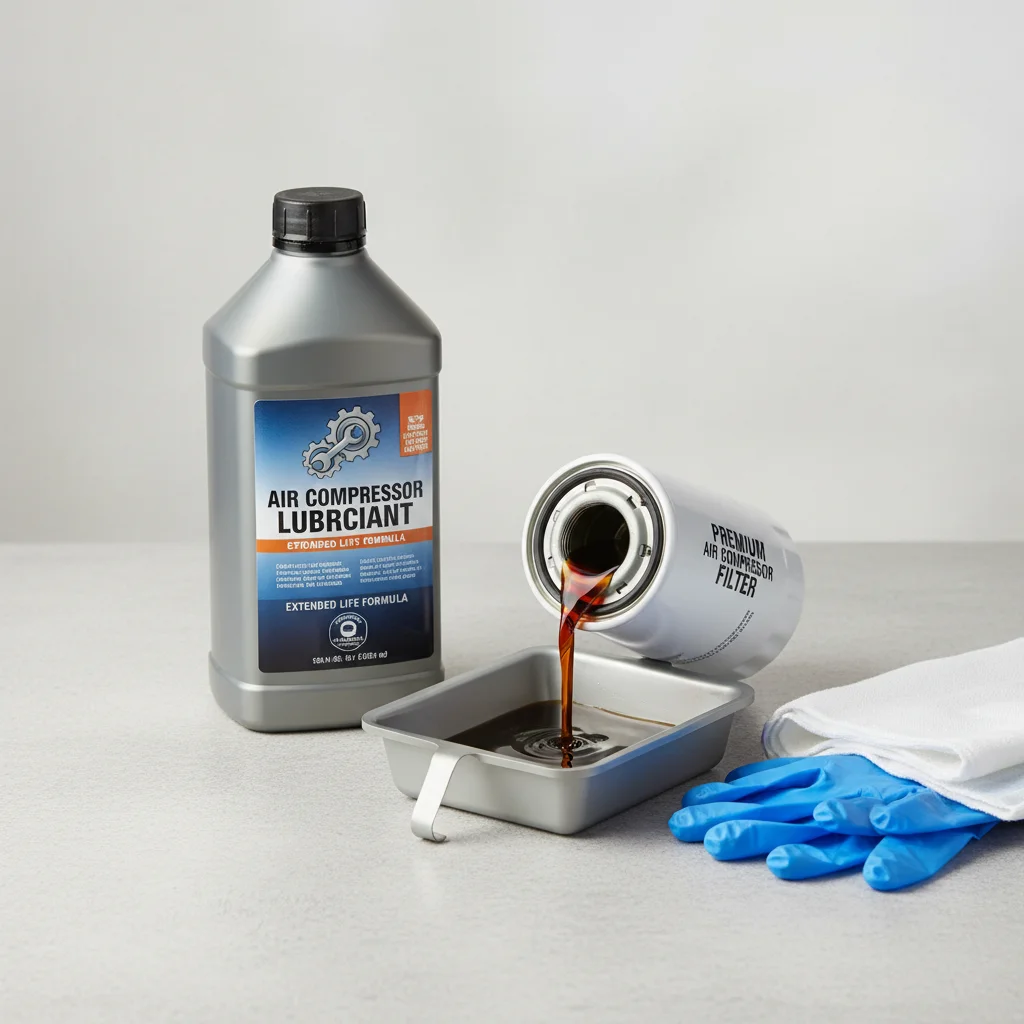
The optimal air compressor oil change interval depends significantly on the type of compressor, its usage frequency, and the oil type. For most piston-driven home garage compressors, a general guideline is to change the oil every 200-300 operating hours or at least once a year, whichever comes first. Industrial-grade rotary screw compressors, however, can often go much longer, sometimes up to 2,000-8,000 hours with synthetic oils, but this requires diligent monitoring and specific manufacturer recommendations.
Factors Influencing Oil Change Frequency
Several critical factors dictate how often you should change your air compressor’s oil. The most significant is the compressor type; piston compressors typically require more frequent changes than rotary screw models due to their different operating mechanisms and heat generation. Usage intensity also plays a major role; a compressor used daily for heavy-duty tasks will need more frequent oil changes than one used sporadically for light work. Environmental conditions, such as dusty or humid environments, can also accelerate oil degradation, necessitating earlier changes.
Choosing the Right Oil for Your Compressor
Selecting the correct oil is paramount for compressor longevity and performance. Always refer to your compressor’s owner’s manual for the manufacturer’s specific oil recommendations. Using the wrong type of oil can lead to premature wear, reduced efficiency, and even catastrophic failure. Compressor oils are formulated to withstand high temperatures and pressures, and they often contain additives to prevent rust, corrosion, and foaming. Synthetic oils generally offer superior performance and extended change intervals compared to conventional mineral oils, especially in demanding applications.
- Always consult your compressor’s manual for oil specifications.
- Consider synthetic oil for extended life and better performance.
- Avoid using automotive engine oil unless explicitly recommended.
- Check oil levels regularly, ideally before each use.
- Store oil in a cool, dry place to maintain its integrity.
The Process of Changing Air Compressor Oil
|
Our Picks for the Best Air Compressor in 2026
As an Amazon Associate I earn from qualifying purchases.
|
||
| Num | Product | Action |
|---|---|---|
| 1 | ECOMAX Air Compressor 6 Gallon 150 PSI Pancake Portable Oil-free Tank with 10 PCS Accessories Kit |

|
| 2 | Quiet Air Compressor, Only 68dB, 5 Gallon Steel Tank, 2.8CFM @ 90PSI, Oil-Free, Electric Air Compressor Perfect for Woodwork Nailing, Garage, Car, Pneumatic Tool, Includes 11 Accessories |
|
| 3 | AC Compressor for 2000-2027 Chevy Silverado/GMC Sierra/Cadillac Escalade (4.8L/5.3L/6.0L V8) | OE Replaces 15036042, 15707611, CO29002C,78363, 78362 | A/C Compressor & Kit |
|
| 4 | Metabo HPT Pancake Air Compressor, 6-Gallon 165PSI, Portable Air Compressor with 1.0 HP Oil-Free High Efficiency Motor, Lihghtweight, Quick Couplers for Fast Tool Changes, EC711S |
|
| 5 | Tire Inflator Portable Air Compressor, 150PSI Cordless Air Pump for Car Tires with Auto Shut-Off, Portable Tire Pump for Car, Bike, Motorcycle and Balls |
|
| 6 | CRAFTSMAN Air Compressor, 2 Gallon Portable Air Compressor 1/3HP Max 125 PSI Oil-Free Light Weight with 10 PCS Accessory Kit |
|
| 7 | Craftsman Air Compressors 6 Gallon Portable Pancake Air Compressor,Oil Free Max 150 Psi 1.0HP 2.6 CFM@90PSI Electric Air Compressor Shop Air Compressor, CMXECXA02106410 |
|
| 8 | California Air Tools CAT-4710W 1.0 HP Quiet and Oil-Free Air Compressor with Wheels, 4.7 Gallon Steel Tank, 75 dBA Noise Level, Lightweight |
|
| 9 | DEWALT Tire Inflator Portable Air Compressor 20V MAX, Car Air Pump with Automatic Shut Off, LED Light, Tool Only (DCC020IB) |
|
| 10 | Airmoto Tire Inflator Portable Air Compressor - Air Pump for Car Tires with Digital Pressure Gauge, LED Light and Auto Shut-Off Function - Cordless Pump for Car, Motorcycle, Bicycle, Ball |
|
Changing the oil in your air compressor is a relatively straightforward maintenance task that can significantly extend its lifespan. First, ensure the compressor is turned off, unplugged, and the tank is fully depressurized. Locate the oil drain plug, usually at the bottom of the crankcase, and place a suitable container underneath to catch the old oil. Remove the plug and allow all the old oil to drain completely. Once drained, replace the plug securely. Next, locate the oil fill cap, typically on top of the crankcase. Carefully pour in the new, recommended compressor oil, checking the oil level indicator as you go. Do not overfill. Replace the fill cap, and you’re ready to operate.
Signs It’s Time for an Oil Change
Beyond the recommended hour or time intervals, there are several tell-tale signs that your air compressor’s oil needs changing. A noticeable change in oil color, from a clear amber to a dark brown or black, indicates degradation and contamination. If the oil appears milky, it suggests water contamination, which can lead to rust and corrosion. Increased operating temperature, unusual noises from the compressor, or a decrease in performance can also point to old or insufficient oil. Regular visual inspections of the oil are a simple yet effective way to monitor its condition.
Disposing of Used Compressor Oil
Proper disposal of used compressor oil is crucial for environmental protection. Never pour used oil down drains or onto the ground. Used oil is considered hazardous waste and must be recycled or disposed of according to local regulations. Many auto parts stores, service stations, and municipal waste facilities offer oil recycling programs. Collect the used oil in a sealed, leak-proof container and transport it to an authorized recycling center. Adhering to proper disposal practices helps prevent pollution and ensures responsible waste management.
