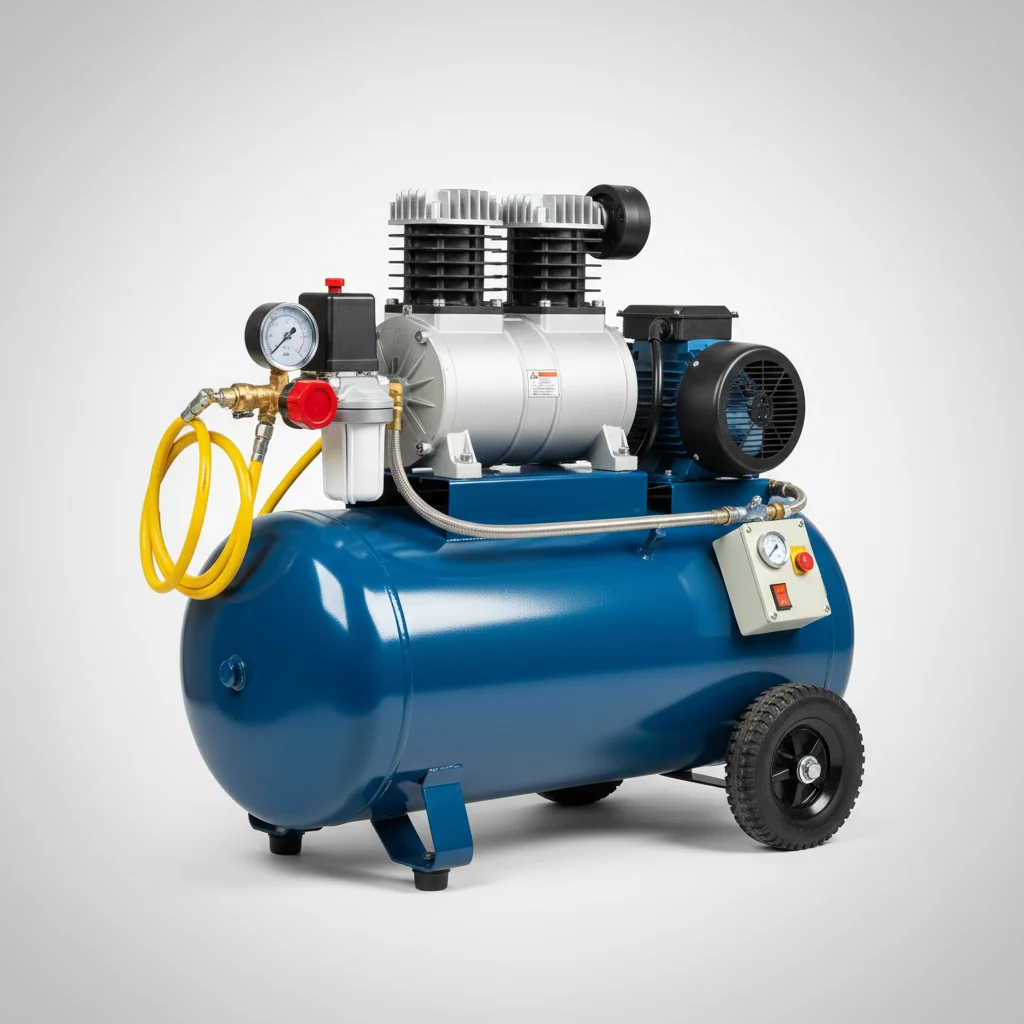
For optimal performance with a plasma cutter, you typically need an air compressor that can deliver a consistent pressure of 60-70 PSI at a flow rate of at least 4-6 CFM. This ensures a clean, precise cut and prevents premature wear on your plasma torch consumables. The exact requirements can vary slightly depending on the specific plasma cutter model and the thickness of the material being cut.
Understanding PSI and CFM for Plasma Cutting
When selecting an air compressor for a plasma cutter, both PSI (pounds per square inch) and CFM (cubic feet per minute) are critical. PSI dictates the force of the air stream, which is essential for piercing and maintaining the arc. CFM, on the other hand, measures the volume of air delivered per minute, directly impacting the cutter’s ability to sustain a continuous cut without interruption. A common mistake is to prioritize high PSI without adequate CFM, leading to inconsistent cuts and frequent duty cycle interruptions.
Most entry-level plasma cutters operate efficiently within the 60-70 PSI range, but industrial units might require up to 90 PSI for thicker materials. Always consult your plasma cutter’s manual for its specific air requirements. Insufficient air pressure or volume can result in a poor-quality cut, excessive dross, and a significantly shortened lifespan for your consumables.
Choosing the Right Compressor Size
To meet the demands of a plasma cutter, a compressor with a tank size of at least 20-30 gallons is often recommended for hobbyists, while professional shops might opt for 60-80 gallon tanks or larger. The larger tank helps to provide a more consistent air supply, reducing the frequency of the compressor cycling on and off, which is beneficial for both the compressor’s longevity and the quality of your cuts. For intermittent use, a smaller tank might suffice, but for continuous cutting, a larger reservoir is indispensable.
- Minimum Tank Size: 20 gallons for occasional use.
- Recommended Tank Size: 30-60 gallons for regular hobbyist or light professional use.
- Professional Use: 60+ gallons for continuous, heavy-duty operation.
- CFM Requirement: At least 4-6 CFM at 90 PSI.
- PSI Requirement: Consistent 60-70 PSI at the torch.
Essential Air Quality and Filtration
|
Our Picks for the Best Air Compressor in 2026
As an Amazon Associate I earn from qualifying purchases.
|
||
| Num | Product | Action |
|---|---|---|
| 1 | Tire Inflator Portable Air Compressor, 150PSI Cordless Air Pump for Car Tires with Auto Shut-Off, Portable Tire Pump for Car, Bike, Motorcycle and Balls |

|
| 2 | DEWALT Tire Inflator Portable Air Compressor 20V MAX, Car Air Pump with Automatic Shut Off, LED Light, Tool Only (DCC020IB) |
|
| 3 | ECOMAX Air Compressor 6 Gallon 150 PSI Pancake Portable Oil-free Tank with 10 PCS Accessories Kit |
|
| 4 | AC Compressor for 2000-2027 Chevy Silverado/GMC Sierra/Cadillac Escalade (4.8L/5.3L/6.0L V8) | OE Replaces 15036042, 15707611, CO29002C,78363, 78362 | A/C Compressor & Kit |
|
| 5 | Craftsman Air Compressors 6 Gallon Portable Pancake Air Compressor,Oil Free Max 150 Psi 1.0HP 2.6 CFM@90PSI Electric Air Compressor Shop Air Compressor, CMXECXA02106410 |
|
| 6 | California Air Tools CAT-4710W 1.0 HP Quiet and Oil-Free Air Compressor with Wheels, 4.7 Gallon Steel Tank, 75 dBA Noise Level, Lightweight |
|
| 7 | CRAFTSMAN Air Compressor, 2 Gallon Portable Air Compressor 1/3HP Max 125 PSI Oil-Free Light Weight with 10 PCS Accessory Kit |
|
| 8 | Quiet Air Compressor, Only 68dB, 5 Gallon Steel Tank, 2.8CFM @ 90PSI, Oil-Free, Electric Air Compressor Perfect for Woodwork Nailing, Garage, Car, Pneumatic Tool, Includes 11 Accessories |
|
| 9 | Airmoto Tire Inflator Portable Air Compressor - Air Pump for Car Tires with Digital Pressure Gauge, LED Light and Auto Shut-Off Function - Cordless Pump for Car, Motorcycle, Bicycle, Ball |
|
| 10 | Metabo HPT Pancake Air Compressor, 6-Gallon 165PSI, Portable Air Compressor with 1.0 HP Oil-Free High Efficiency Motor, Lihghtweight, Quick Couplers for Fast Tool Changes, EC711S |
|
Beyond pressure and volume, the quality of the air supplied to your plasma cutter is paramount. Moisture and oil in the air can severely damage your plasma torch and lead to poor cut quality. Installing an effective air dryer and a particulate filter is not optional; it’s a necessity. A desiccant air dryer or a refrigerated air dryer will remove moisture, while a coalescing filter will trap oil aerosols and fine particulates. These components protect your investment and ensure optimal cutting performance.
Many plasma cutter manufacturers will void warranties if evidence of contaminated air is found. Investing in a good quality air filtration system will save you money in the long run by extending the life of your consumables and preventing costly repairs to your plasma cutter.
Maintaining Your Air Compressor for Plasma Cutting
Regular maintenance of your air compressor is crucial when using it for plasma cutting. This includes draining the tank daily to remove accumulated moisture, checking and changing the air filter regularly, and ensuring proper oil levels for oil-lubricated models. Neglecting these simple steps can lead to a build-up of contaminants that will inevitably find their way into your plasma cutter, causing issues.
Additionally, periodically inspect all air lines and fittings for leaks. Even small leaks can significantly reduce the effective CFM delivered to your plasma cutter, impacting its performance. A well-maintained compressor not only performs better but also lasts longer, providing reliable service for all your cutting projects.
